Combined Transport
A unique transportation method utilizing multiple modes of transport. Its goal is to enhance environmental sustainability, economic efficiency, and…
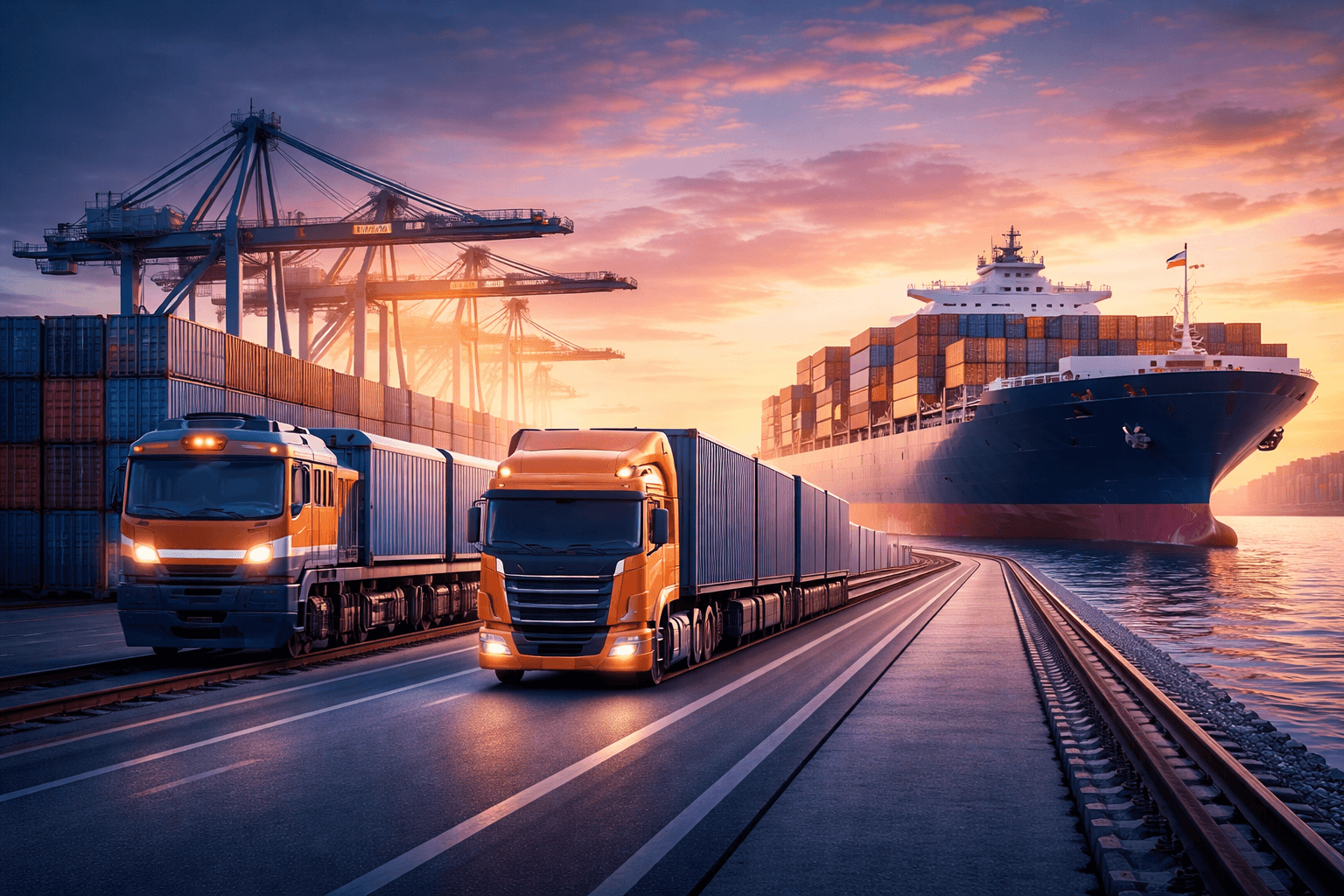
Combined transport represents a modern approach to goods transportation that integrates the advantages of several modes of transport into one efficient logistics chain. Most commonly, it involves a combination of road, rail, sea, or river transport, with the aim of minimizing costs, environmental burden, and simultaneously increasing supply reliability. This concept plays an increasingly significant role in an era of growing transport volumes and pressure for sustainability.
The main advantage of combined transport is the ability to optimize individual transport segments according to their strengths. While road transport offers flexibility and quick service over short distances, rail or water transport excels in efficiency when transporting large volumes over longer routes. By suitably connecting these modes, significant financial and time savings can be achieved.
An important element of combined transport is the standardization of transport units, such as containers or swap bodies. These enable easy handling of goods without the need for transshipment, which reduces the risk of damage and speeds up the entire logistics process. At the same time, they facilitate the integration of modern technologies for real-time shipment tracking and route planning.
With a growing emphasis on ecology, combined transport is becoming a key tool for reducing CO₂ emissions in logistics. Shifting part of transport from roads to rail or waterways contributes to easing the burden on transport infrastructure and improving environmental quality. Companies can thus not only optimize their processes but also meet increasingly stringent legislative and social requirements.
In the future, further development of combined transport can be expected, especially thanks to digitalization, terminal automation, and improved international cooperation. These trends open up new possibilities for more efficient, safer, and sustainable logistics solutions that will be able to respond to the dynamic needs of the global market.